

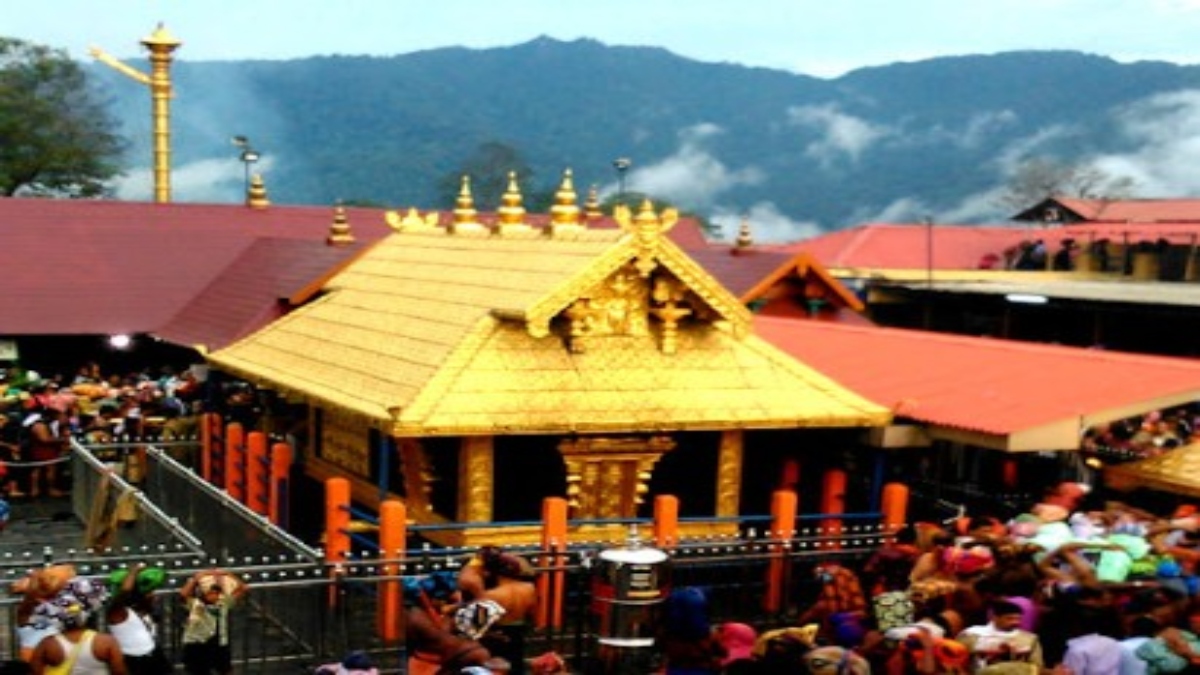
Sabarimala temple is once again in the news. The reason for this is that there was a huge decrease in the weight of the gold offerings made to the idols of this temple, due to which there were alleged allegations of theft of gold. On the orders of Kerala High Court, Special Investigation Team i.e. SIT is investigating this entire matter, in which many shocking revelations have come to light during the investigation. The SIT said that the accused not only stole the gold, but also looted other gold artefacts from the sanctum sanctorum of the temple. Several people, including temple chief priest Kandararu Rajeevaru, have been arrested in the case, and some people from the temple administration are still under investigation.
Which god is worshiped in this temple
This temple is situated on the hills 175 kilometers away from Thiruvananthapuram, the capital of Kerala. This temple is surrounded by hills on all sides, if you want to know which God is worshiped in this temple, then know that Lord Ayyappa is worshiped in this temple, who is considered to be the son of Lord Shiva and Mohini (female incarnation of Lord Vishnu). Lord Ayyappa is also known by the names Ayyappan, Shasta, Manikanta. This temple is famous for its unique religious practices.
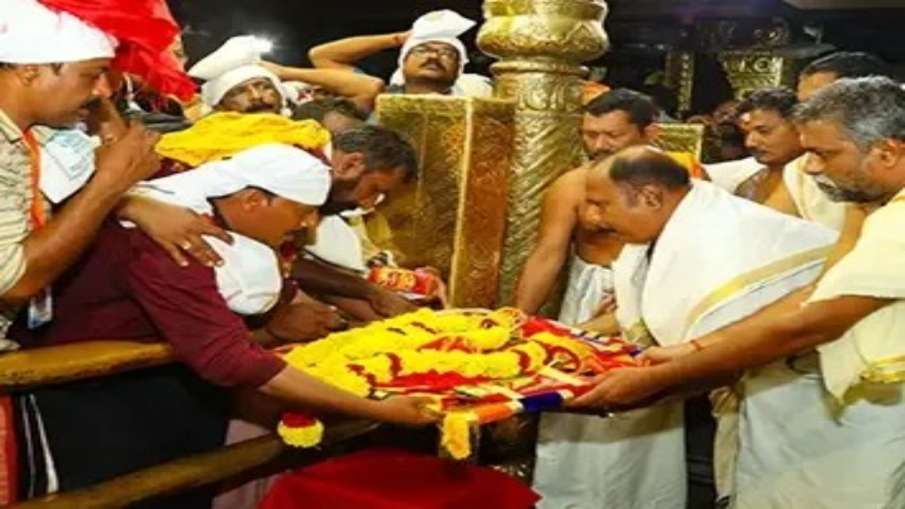
Lord Ayyappa
What are the rules of worshiping Lord Ayyappa?
It is customary that before visiting this temple, devotees have to perform penance for 41 days and give up all worldly pleasures. Devotees who come to the temple to have darshan of the Lord arrive with bundles of water on their heads. That bundle is filled with Naivedya i.e. things offered to Lord Ayyappa, which are given by the priest to take home as Prasad.
People consider Lord Ayyappa present in this temple to be a celibate deity, due to this, earlier there was a tradition that women of menstrual age i.e. between 10 to 50 years were prohibited from entering the temple, but in 2018, the Supreme Court ruled that barring women from entering Sabarimala is unconstitutional. There were protests after this decision and the Supreme Court gave an important decision and allowed women of all ages to enter and worship in the Sabarimala temple of Kerala.
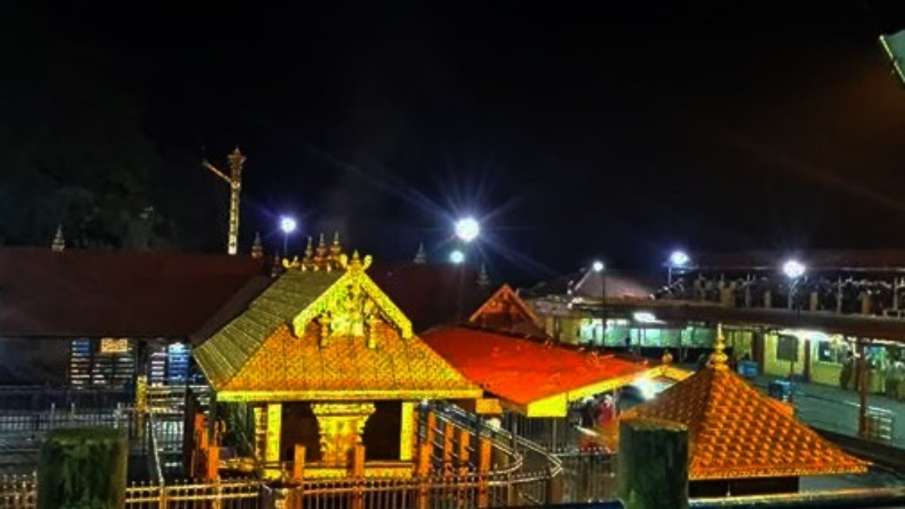
History of Sabarimala Temple
Why is the chief priest called Tantri?
- Tantri is an important position for the Sabarimala temple. Tantris are the chief priests of the temple and are responsible for the religious processes and important rituals of the temple. The tantris of Sabarimala traditionally come from the Thazhamon Madam family, based in Mundankavu near Chengannur, Kerala. The presence of the Tantri is mandatory during temple openings and important ceremonies, and he conducts all Tantric pujas.
- A Tantri is a person who has deep knowledge of these ancient Tantric methods and mantras and who has the authority to perform ‘Pran-Pratishtha’ (infusing life into the idol) of the temple. It is believed that Tantri has established the idol, hence he is considered like the ‘Guru’ or ‘Grandfather’ of the deity. His presence and permission is mandatory for any important ritual or purification process within the temple.
- The post of Tantri in Sabarimala is hereditary. This right is with the Thazhamon Madom Brahmin family based in Chengannur, Kerala. According to mythology, Lord Parashurama had entrusted this family with the right to perform tantric worship at Sabarimala. The decision of the Tantri is final in the matter of religious norms, customs and traditions of the temple. They differ from the daily priests of the temple, as Melashanti is selected every year, while the position of Tantri is passed down from generation to generation in the same family.
is this a tantric temple
Sabarimala is a Tantric temple, where rituals are based primarily on the Agama and Tantra scriptures rather than the Vedas. Sabarimala Tantri is related to Chengannur Thajamon Madom. It is believed that the Pandalam royal family had invited Thazhamon Brahmins from Andhra Pradesh to perform tantric puja for Lord Ayyappa. The Panchadhatu (alloy of five metals) statue of Dharmashasta at Sabarimala was created and installed by Kandararu Shankararu of Thajhamon Monastery on June 4, 1951. “Kandararu” is a traditional title used before the names of Thazhamon tantrics.
Latest India News
 Follow Us On Google News
 Follow Us On WhatsApp

Leave a Comment