

What is the news?
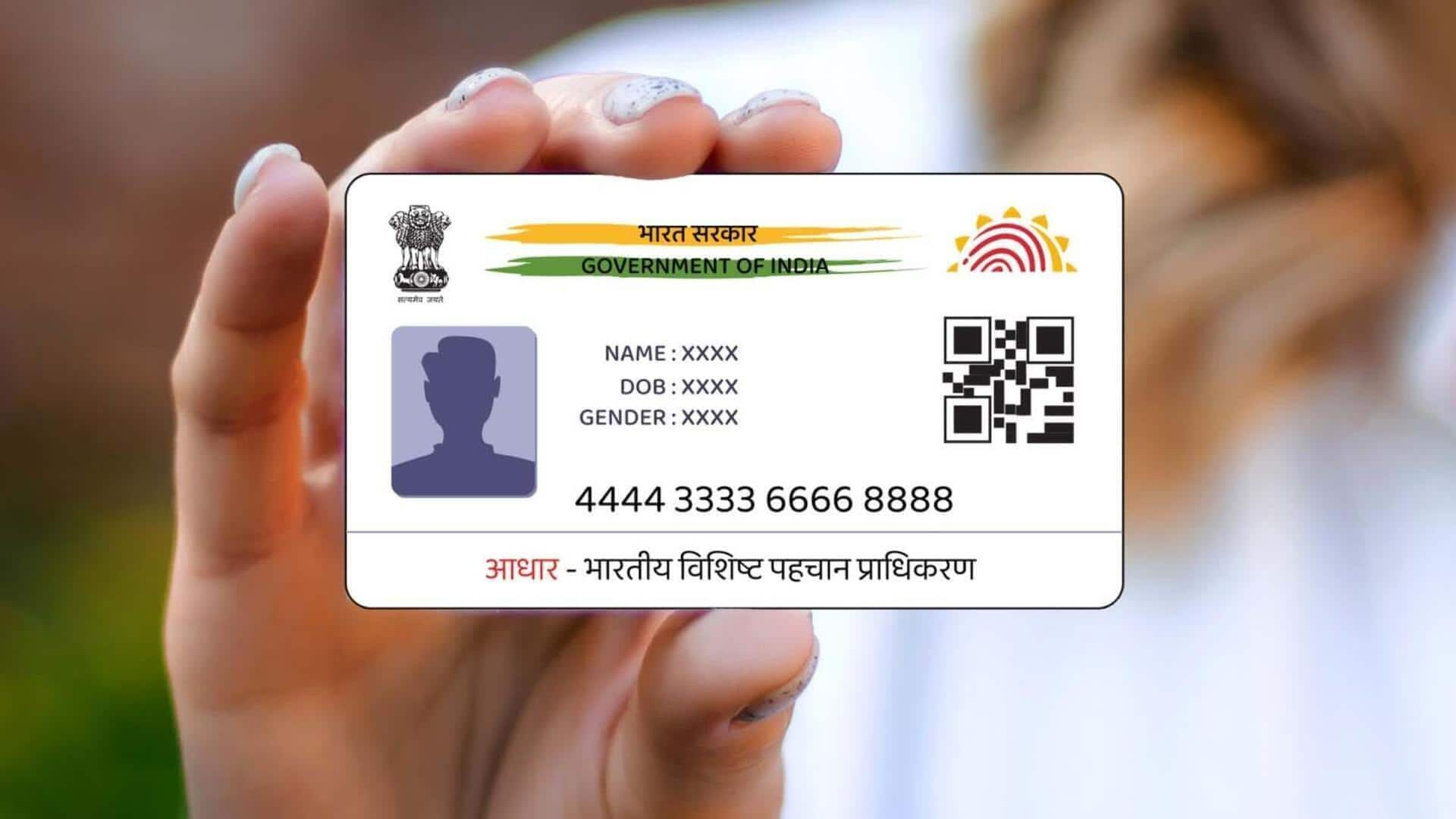
Questions are being raised regarding security and privacy due to the offline verification system included in the new Aadhaar app launched last month by the Unique Identification Authority of India (UIDAI). The new system allows users to prove their identity without real-time checking with the central Aadhaar database. Civil liberties and digital rights groups say these legal changes do not address Aadhaar’s structural risks.
Danger will increase without data security framework
Raman Jeet Singh Cheema, Senior International Advisor, Access Now techcrunch Told that the expansion of Aadhaar offline and in the private sector creates new threats. Especially at a time when India’s data security framework is still being developed. He questioned the timing of implementing the scheme, arguing that the central government should have first waited for the establishment of a data protection board so that an independent review could be conducted.
Problems not resolved
Prashant Sugathan, legal director, SFLC.in, said UIDAI has presented the app as a means of citizen empowerment but has done little to address problems such as inaccuracies in the Aadhaar database, security flaws and weak grievance redressal mechanisms. ‘Rethink Aadhaar’ activists argue that the offline verification system risks re-encouraging the private sector to use Aadhaar, which has been banned by the Supreme Court.
What changes have been made in the new app?
The new Aadhaar card app features consent-based offline verification without photocopies and manual identity verification. Users are given the right to choose what information they want to share for verification. This information can be shared with hotels, housing societies, workplaces and payment platforms. Apart from this, you can share selected personal details through QR code. Along with this, the use of the old mAadhaar app will also continue.
 Follow Us On Google News
 Follow Us On WhatsApp

Leave a Comment