

What is the news?
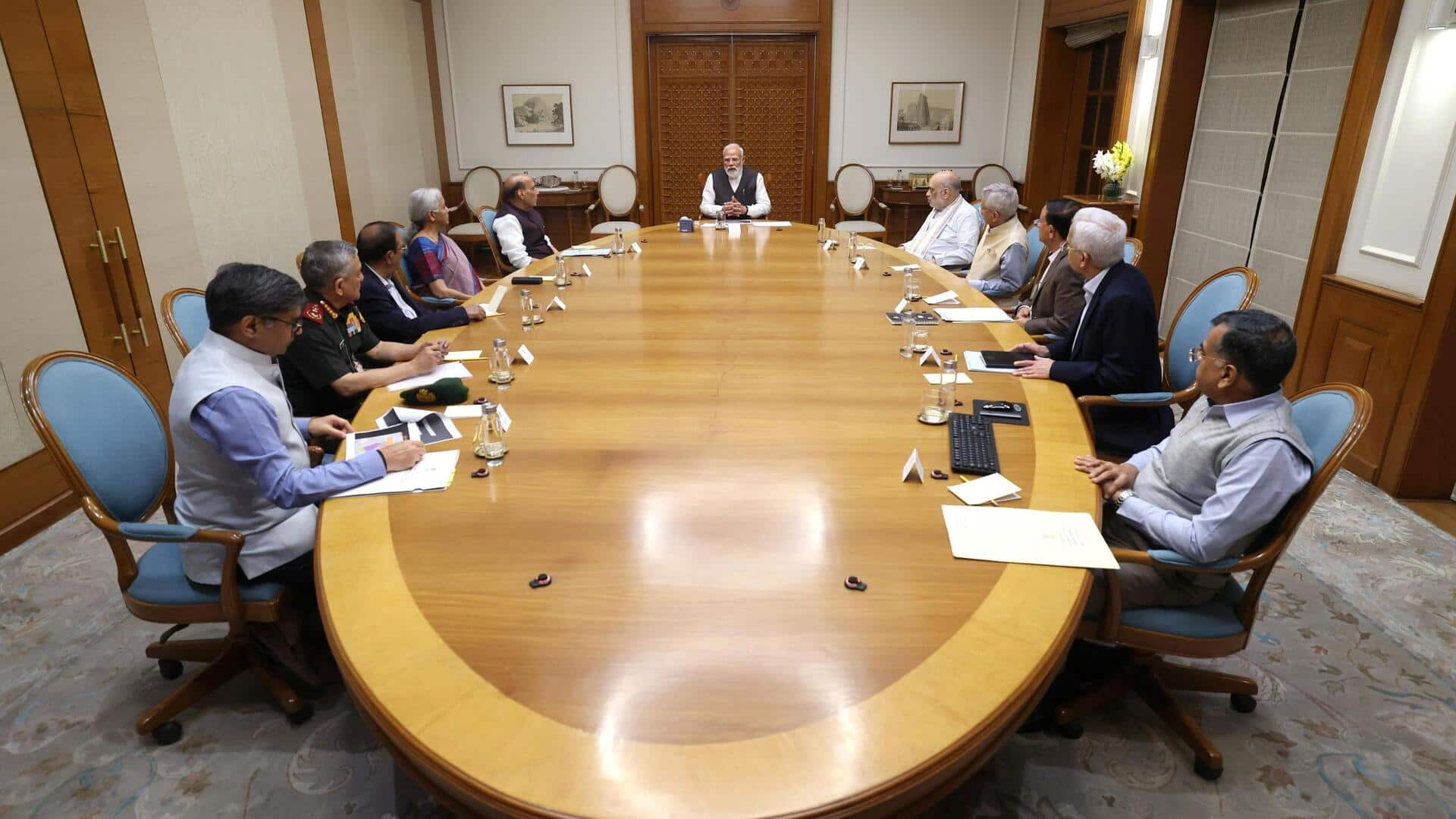
India has started a high-level review of the serious tension created in West Asia due to America and Israel’s attack on Iran and the death of Supreme Leader Ayatollah Ali Khamenei. As soon as Prime Minister Narendra Modi returned to Delhi on Sunday night, he called an important meeting of the Central Committee on Security (CCS) at his residence. Many leaders including Home Minister Amit Shah, Defense Minister Rajnath Singh, Foreign Minister S Jaishankar and National Security Advisor Ajit Doval attended this meeting.
Which issues were discussed?
According to the report, the CCS meeting is likely to discuss the situation after the US-Israel attack on Iran, Khamenei’s assassination and its aftermath and its impact on India and the steps to be taken for the safety of Indian citizens in West Asia. Similarly, there is a possibility of making a strategy for the safe evacuation of Indians stranded in various countries and discussing the impact on flights due to the closure of airspace in various countries.
What is CCS and its working?
CCS is the highest and most powerful committee of the government, which takes the biggest and sensitive decisions related to national security, defence, diplomacy and foreign affairs. This committee is chaired by the Prime Minister himself. It includes Defense Minister, Home Minister, Foreign Minister and Finance Minister. Apart from this, the National Security Advisor (NSA) and the chiefs of the three armies also give important inputs in this. After that the committee takes necessary decisions on various issues.
Why is CCS meeting important?
After the major attack on Iran by America and Israel and the death of Khamenei, a serious geo-strategic crisis has arisen in West Asia. Due to this, thousands of Indians are stranded in different countries and air services are almost at a standstill. About 90 lakh Indians live in the Gulf region, while a large number of Indians are also present in Iran and Israel. This meeting is important because of their security, possible evacuation and diplomatic-economic implications on India.
 Follow Us On Google News
 Follow Us On WhatsApp

Leave a Comment