

What is news?
Microplastic presence is being recorded in the substances we use daily in the kitchen of the house. Till now it was revealed that these fine particles are present in bottles and coaches made of plastic. However, a new study has made a stunning disclosure about this subject. Actually, this research has revealed that more microplastic is found in glass bottles than plastic bottles.
This study was done in France
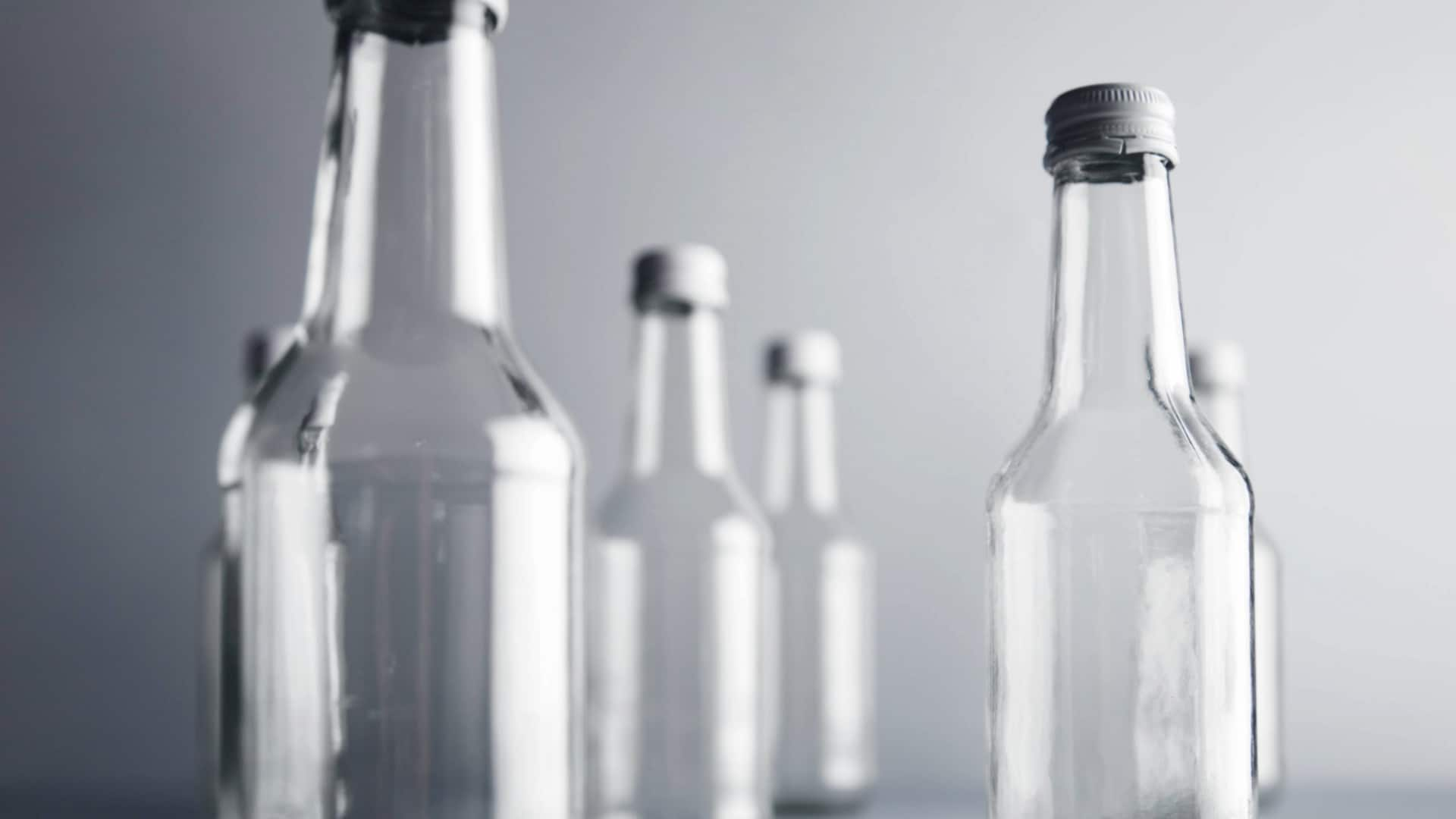
The study conducted by French Food Security Agency Anses was published in a magazine called the Journal of Food Composition and Analysis. It has been found that beverages kept in glass bottles contain many times more microplastic than plastic bottles or metal compartments. 100 microplastic per liter was found by researchers in glass bottles. It is 50 times more than the particles found in plastic containers.
Process
Researchers consider glass better options
The study was completed under the leadership of PHD student Isin Chab, a France. Researchers hoped that glass would be a safe option in place of plastic for packaging beverages. However, the results that came out were completely reverse. To complete this research, packaging of various types of beverages sold in France was examined to detect the amount of microplastics.
How to reach glass bottles, fine plastic particles?
On investigation, it was revealed that the size, color and structure of fine particles emanating from the glass bottles were similar to the paint outside their lids. The agency said in a statement, “There were also paint marks on the lids, which were so fine that they did not appear with the eyes.” When these lids rub with each other while closing, they get small scratches from which plastic particles come out.
How many microplastic found in which drink?
In all types of packaging, the water sold in the water sold was low. The glass bottles had about 4.5 particles per liter in closed water. The amount of microplastic in soft drinks, lemonade and beer was very high, which was 30–60 per liter. These beverages are commonly closed with painted lids, due to which microplastic dissolves in it. Even after the paint lid, very little microplastic was found in the wine.
Researchers have given measures to reduce microplastic from drinks
There is no international standard to determine the dangerous levels of microplastic in food or drinks. Therefore, it was difficult to determine whether this level causes health risk or not. However, the Anses cleaned the lids with air, water and alcohol, which reduced the contamination by 60 percent. This can be considered an effective way to reduce the presence of microplastic.
 Follow Us On Google News
 Follow Us On WhatsApp

Leave a Comment