

What is the news?
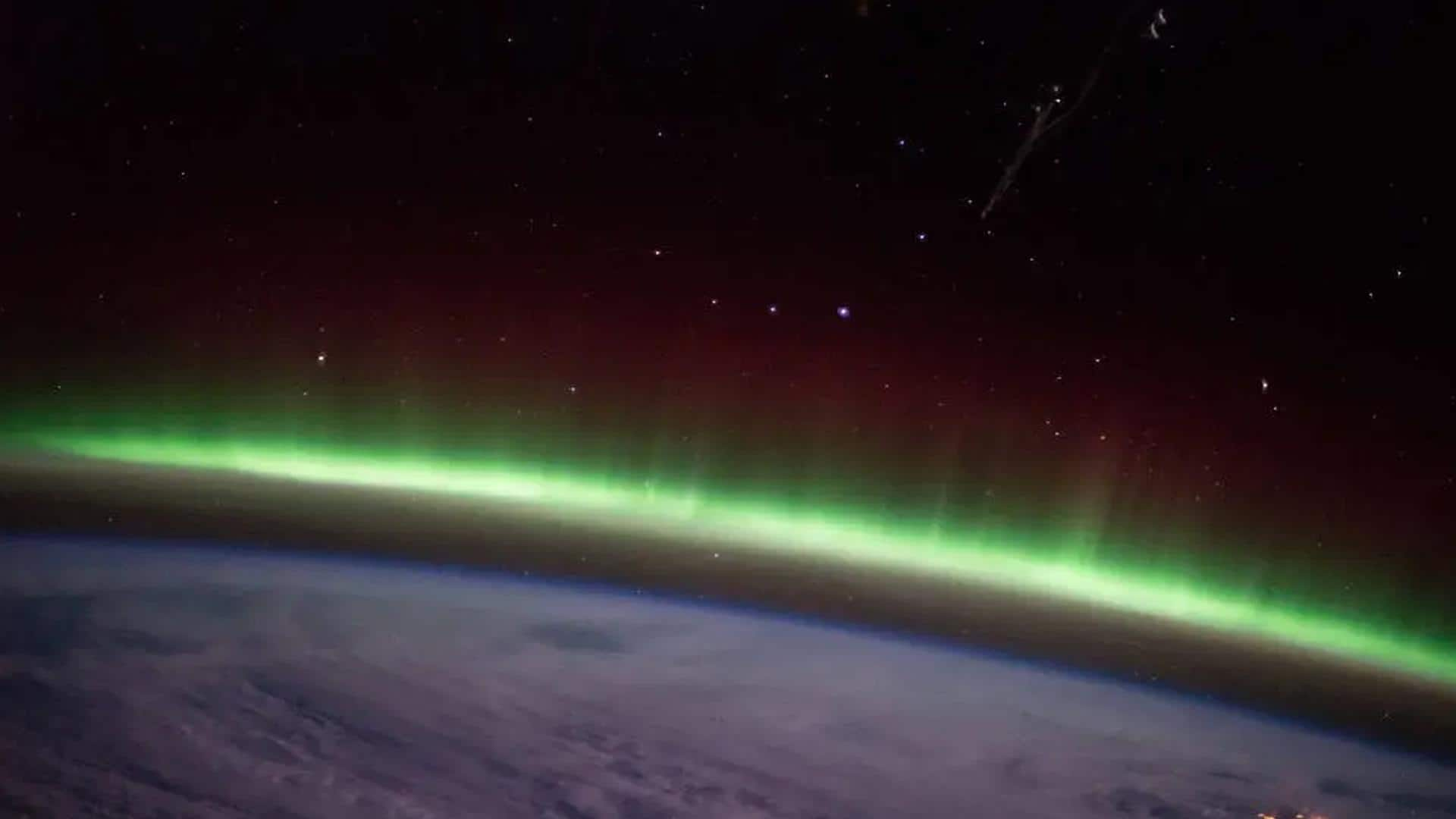
Space agency NASA is going to send a new mission to understand the colorful light seen in the polar regions i.e. Aurora Borealis. These colorful lights visible in the sky have been attracting people for centuries. Now NASA wants to know the electric current and space physics hidden behind them. For this purpose, preparations are being made to launch a special rocket mission from Alaska, which is considered very important for scientists.
What is GNEISS mission and how will it work?
This mission has been named Geophysical Non-Equilibrium Ionospheric System Science (GNEISS), which will investigate the aurora in depth. NASA will launch two sounding rockets from Poker Flat, Alaska in early February 2026. These rockets will pass directly through the active aurora. Each rocket will launch a series of tiny sensors that will precisely measure the direction, speed and density of electrons by sending radio signals, similar to a medical CT scan.
How will it be beneficial for satellites?
The GNEISS mission will help scientists understand space weather better and more accurately than ever before. Electric currents associated with auroras dissipate energy in the upper atmosphere, which can affect satellites, GPS and communications systems. NASA will combine the data obtained from this mission with data from its EZIE satellite. This will make it easier to prevent damage to satellites in the future, give timely warnings and make reliable predictions of space weather.
Black Aurora and further plans
Along with this mission, NASA is also working on other mysteries related to Aurora. Scientists also want to investigate ‘black auroras’, which appear as dark patches in the sky. It is believed that they show the reverse flow of electric current. NASA says that such missions will help in understanding the relationship between space and Earth and will pave the way for safe space missions in the future.
 Follow Us On Google News
 Follow Us On WhatsApp

Leave a Comment