

What is the news?
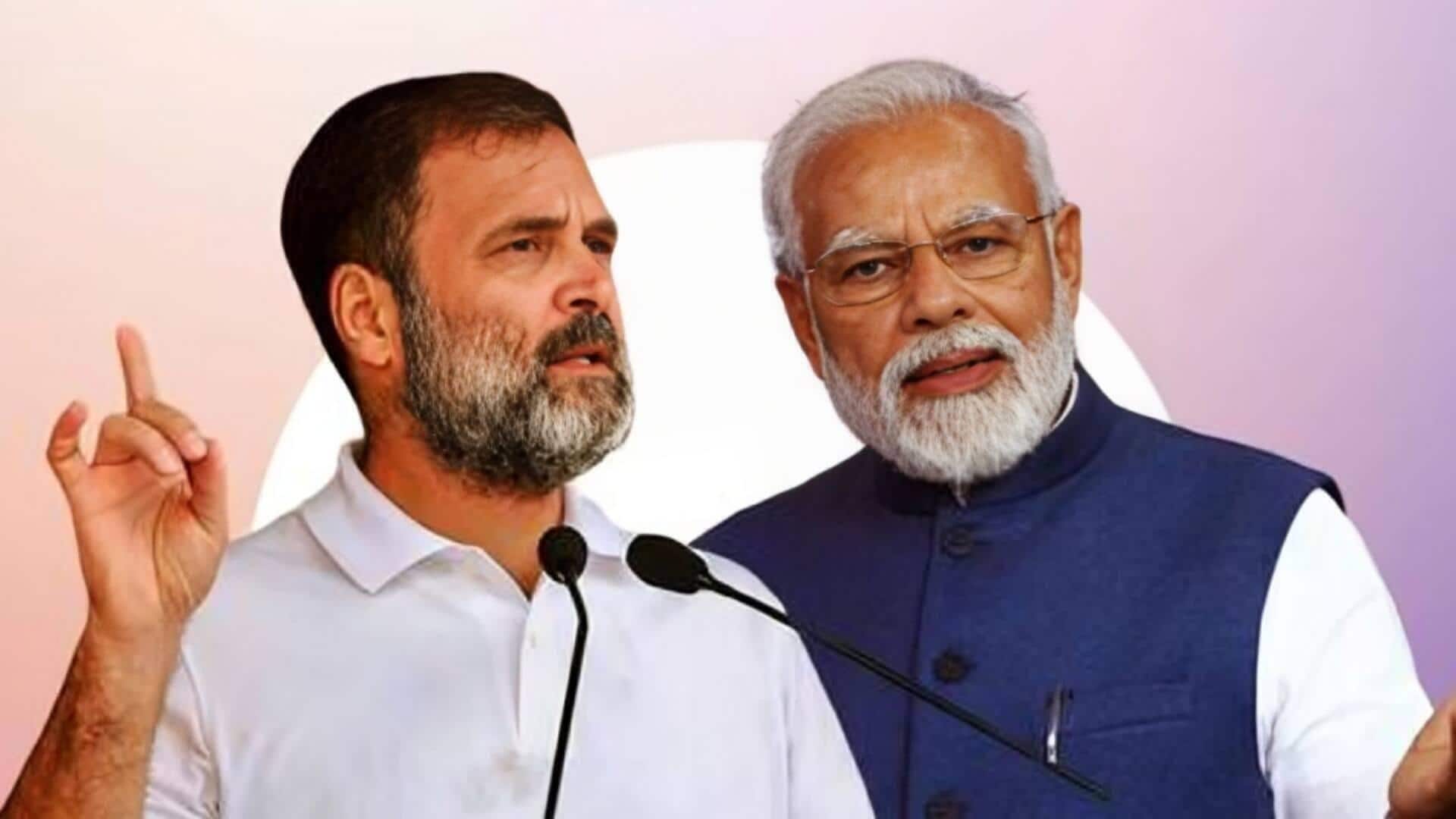
Leader of Opposition in Lok Sabha and Congress leader Rahul Gandhi has asked 5 questions to Prime Minister Narendra Modi regarding the recent India-US trade agreement. They claim that the agreement could betray Indian farmers and jeopardize agricultural sovereignty. These questions relate to issues such as genetically modified crops, the removal of non-trade barriers, and potential impacts on US agricultural imports.
Explanation
Rahul seeks clarification on possible impacts of trade agreement
Rahul’s first question was whether the import of dry grains (DDG) would make Indian milk production dependent on the US agricultural industry. He also raised questions on the impact of imports of genetically modified soybean oil on Indian farmers. The Congress leader sought clarification on what additional products would be included in future trade agreements and what India’s stance on modified crops would be with the removal of non-trade barriers.
Long-term freedom in agriculture sector is in danger- Rahul
Rahul also asked how India would prevent this trade agreement from being expanded to more crops in the future. Demanding a clear answer from Prime Minister Modi, he said that this issue is not just today’s but also related to long-term agricultural freedom. The India-US trade agreement has been criticized by Congress and other opposition parties, alleging that it prioritizes US interests at the expense of Indian farmers and domestic markets.
BJP refuted Rahul’s allegations
Even in the Lok Sabha, Rahul accused the government of ‘selling Mother India’ through this trade agreement. He called it a complete surrender, which compromises India’s energy security and the interests of farmers. BJP had denied these allegations. Home Minister Amit Shah had also accused Rahul of spreading misinformation and misleading farmers and fishermen by telling lies and creating confusion.
Rahul met farmers union leaders
Meanwhile, Rahul met farmer union leaders and discussed the nationwide agitation against the trade agreement. He stressed the need to protect the livelihood of farmers and oppose any compromise on agricultural sovereignty. The India-US interim trade agreement aims to reduce tariffs on Indian goods and increase purchases of American goods, but is being criticized over its impact on agriculture.
 Follow Us On Google News
 Follow Us On WhatsApp

Leave a Comment