

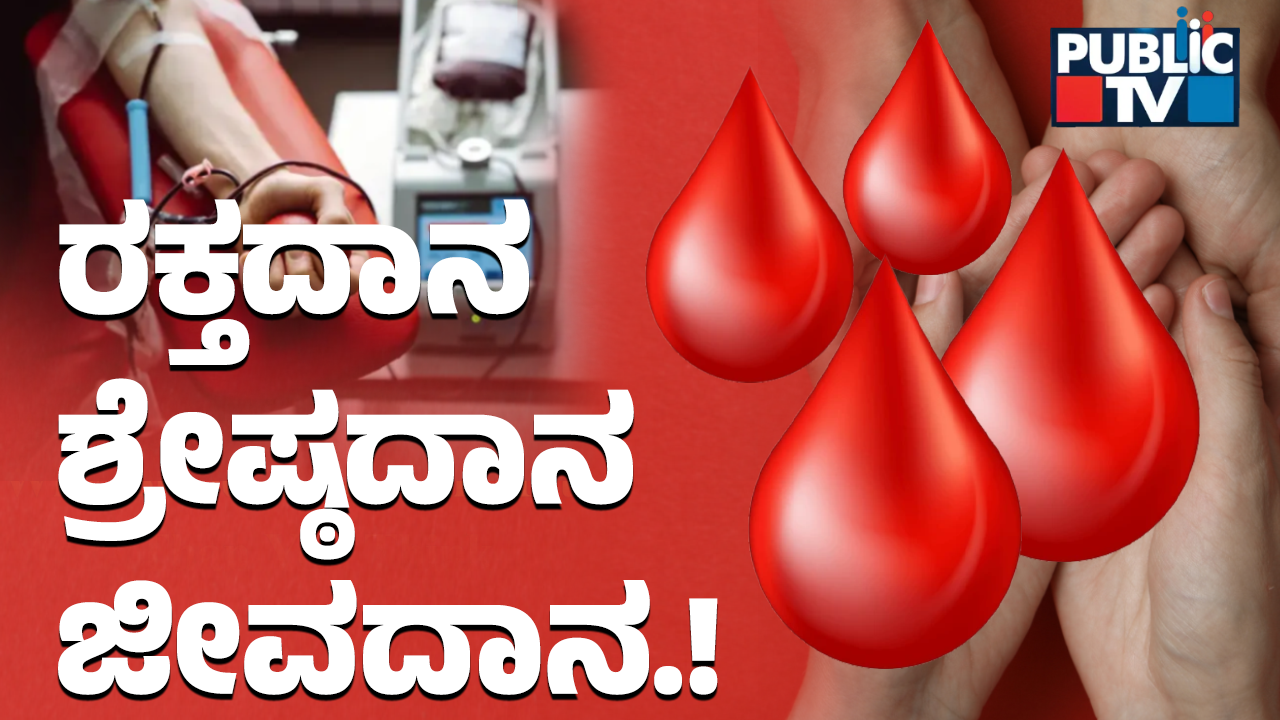
man No matter who you are, no matter where you are, blood is the same in everyone’s body, blood is widely required during treatment related to accidents, cancer, heart problems, childbirth. That is why every year June 14th is celebrated as “World Blood Donor Day” to create awareness about blood donation.
About 1.46 crore units of blood are required in India every year. As the demand and supply of blood increases, so does the need for blood. In the year 2024-25, 1.46 crore units of blood have been supplied in India. This is a 15% increase over the year 2023-24. Also, 11 to 12 crore units of blood are needed every year worldwide.
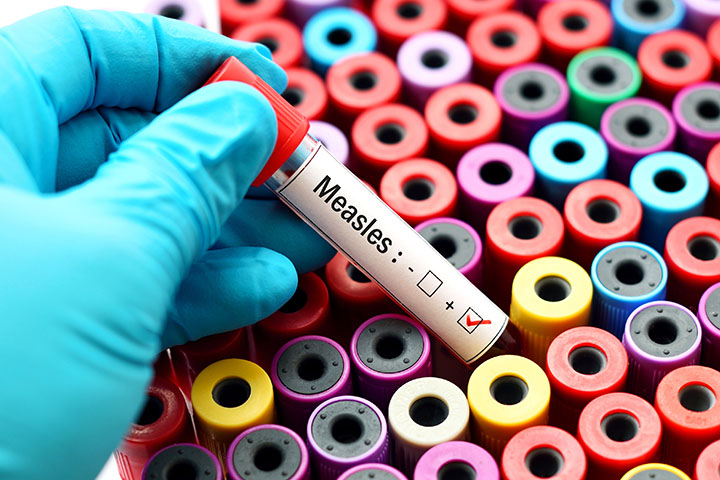
Blood donated by donors cannot be given as it is due to shortage of blood, it is given to patients only after checking that it is safe and pure. Otherwise, chances of fatal diseases or even death are high. This is evidenced by the tragedy that happened in the government hospital in Satna district of Madhya Pradesh. After all, what was in Madhya Pradesh? How good is blood donation for health? How is the blood donation system in Karnataka? What methods are used for blood tests? How do you know if you have a fatal disease? If you are curious to know that then read on…

What happened in Madhya Pradesh?
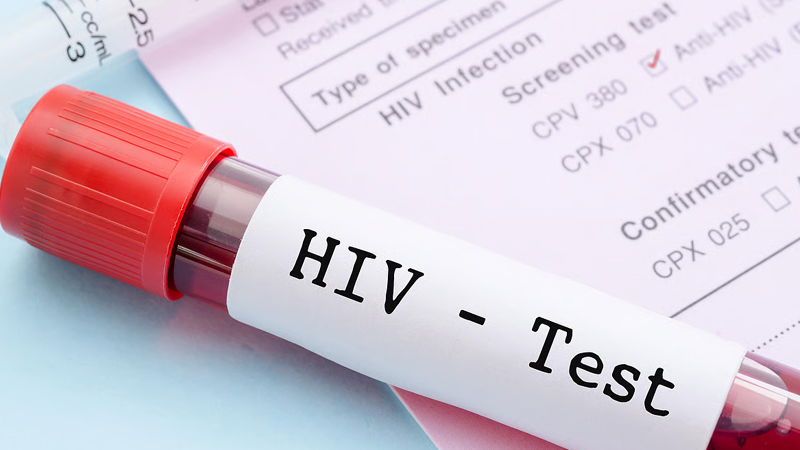
Doctors in Satna District Government Hospital (Satna Hospital) of Madhya Pradesh had made a big mistake. 6 children under the age of 15 who were suffering from thalassemia had an accident while giving blood from donors. 6 children who received blood were also infected with HIV. Due to this, there was great concern about the negligence of doctors. This is still under investigation. But after the incident, the blood banks in Karnataka are also on alert. After testing the blood of the donors in three or four stages, it is being supplied to the hospitals.
What are the benefits of blood donation?
* Donating blood reduces heart related problems.
* By donating blood, new red blood cells are produced and the body produces new blood.
* Blood donation avoids accumulation of unnecessary fat in organs.
* Reduces calories in the body.
* Rejuvenates especially in adults.
* By donating blood regularly, blood tests will also be done regularly.
What are the physical tests done before blood donation?
* Weight is checked first. then,
* Hemoglobin is estimated (12.5 g/100 ml)
* Blood pressure (high BP or low BP) is checked (systolic 160/100 mmHg; diastolic 90/60 mmHg).
* Examination of heart rate (60-100 beats per minute), liver, lung condition
* Body temperature is checked.
Is voluntary blood donation good?
Blood donation is when a person voluntarily withdraws blood from his body for blood distribution. Donated blood is transferred to patients who need blood. Is the patient’s blood safe before being transfused? no will be tested. Blood tests like HIV and Hepatitis are done. Then the donor and the donor have to undergo a physical examination to know whether they will suffer from blood donation or not.
Who can donate blood?
Generally everyone can donate blood. All healthy persons between 18 to 60 years of age and weighing more than 45 kg can donate blood. Healthy men can donate blood once in 3 months and healthy women once in 4 months.
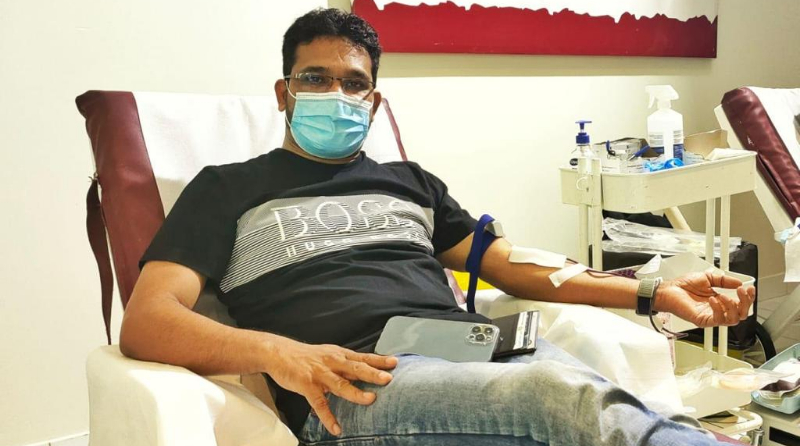
Who should not donate blood?
Do not donate blood if you are ill, have consumed alcohol or taken drugs. Women are not allowed to donate blood during menstruation, pregnancy, breastfeeding and 6 months after delivery. If any person has been vaccinated against the disease, 4 weeks after the vaccination and if he has been treated for malaria, 3 months after the treatment, if he has taken an aspirin pill, then such person cannot donate blood for 3 days after taking the pill.
Apart from this, those who have undergone major surgery should not donate blood for 6 months and if they have undergone minor surgery for 3 months. Jaundice, HIV, sexually transmitted disease, cancer, heart disease, abnormal bleeding, unexplained weight loss, hepatitis B and C, kidney and liver disease, asthma, epilepsy, mental illness should not donate blood.
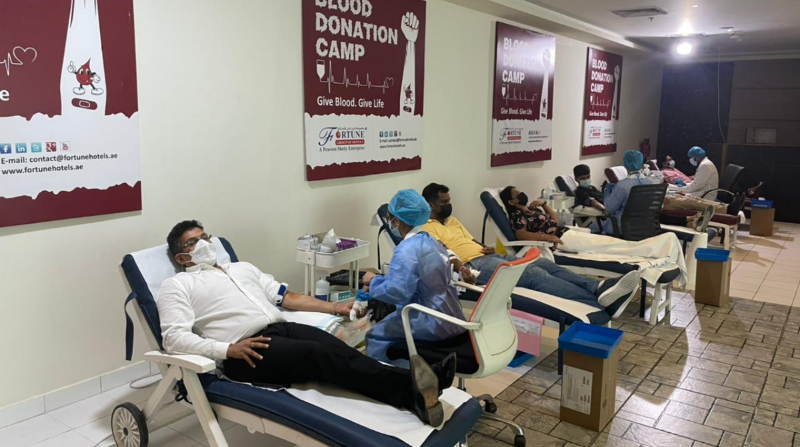
How many hours will it take to know if you have HIV?
Using the kits available in the market for blood tests does not know about the fatal consequences. Therefore, Girish, director of Jeevadhara Blood Bank Center, Mysore, requested that the blood bank centers should follow the Elisa, CLIA, NAT sample tests prescribed by the government to detect the infection.
Because the card method does not detect the infection in the window period. It is detected after 15 days in Elisa method. It is good if its upgrade is done at Clea Method Blood Bank Centers. An even more upgraded method is NAT, which can detect HIV within 12 hours of a blood test.
Why pay for blood?
Collected and preserved blood obtained from voluntary blood donors, blood sample and blood-borne disease (disease) eg: HIV, Malaria, Jaundice, Syphilis etc., and then distributed to the concerned patient after matching process with the patient’s blood sample. Fees will be charged by the Blood Bank Center for conducting all the above tests as per the rates fixed by the Government.
This fee is as per the order of the Central Government and the State Governments, so it is a government regulation to pay the prescribed rate. As of now, the central government is paying Rs 1,550. fixed
What are the tests performed on blood in the laboratory?
Tests for HIV, Jaundice, (Hepatitis B and C), Sexually Transmitted Diseases, Malaria, Blood Group, Syphilis are conducted. After these tests, if no malignant factor is detected in the blood, then it is given to the hospitals for transfer to the patients.
Apart from this, 2-3 minutes are enough to classify any blood into groups. But it takes at least 1 hour to test, separate, cross-match the blood obtained from donors and give it to the patients. AB negative is a very rare blood type. It is only 0.5% of the country’s population. Besides this, all negative blood groups are rare and we have prepared a list of them, says Girish.
 Follow Us On Google News
 Follow Us On WhatsApp

Leave a Comment