

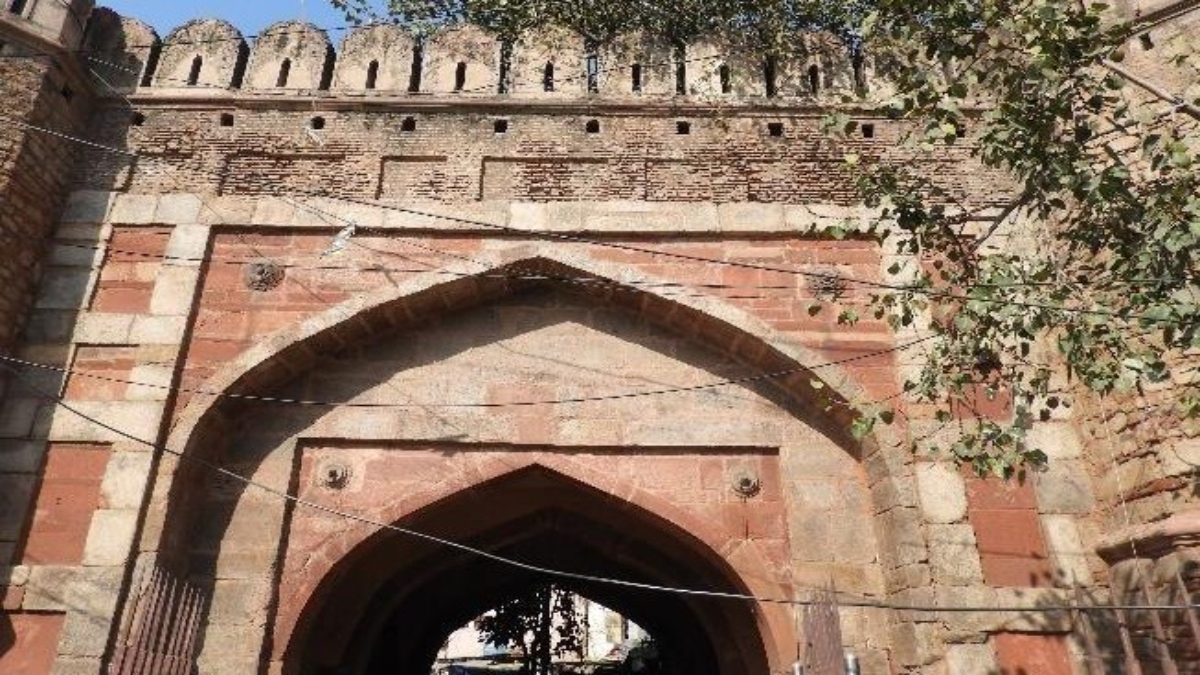
Explainer: Turkman Gate of Delhi, the capital of India, is in the headlines these days, because when the MCD started the action of removing illegal construction near the Faiz-e-Ilahi Mosque near this gate, an uproar broke out. Anti-social elements pelted stones at the officers and police team present at the spot, after which the matter escalated so much that tear gas shells were fired by the police to disperse the crowd gathered there. There is a lot of discussion regarding this matter.
Know the history of Turkman Gate
Mughal emperor Shahjahan built 14 different gates in Old Delhi, Turkman Gate is also one of these 14 gates. All these 14 gates were built around Delhi, which include Ajmeri Gate, Delhi Gate, Lahori Gate and Mori Gate etc. One of these is Turkman Gate which is named after Sufi saint Hazrat Shah Turkman Bayabani. This gate is near the Dargah of Shah Turkman and that is why this gate has been named Turkman Gate. This gate of Delhi has been very famous for the last several decades.
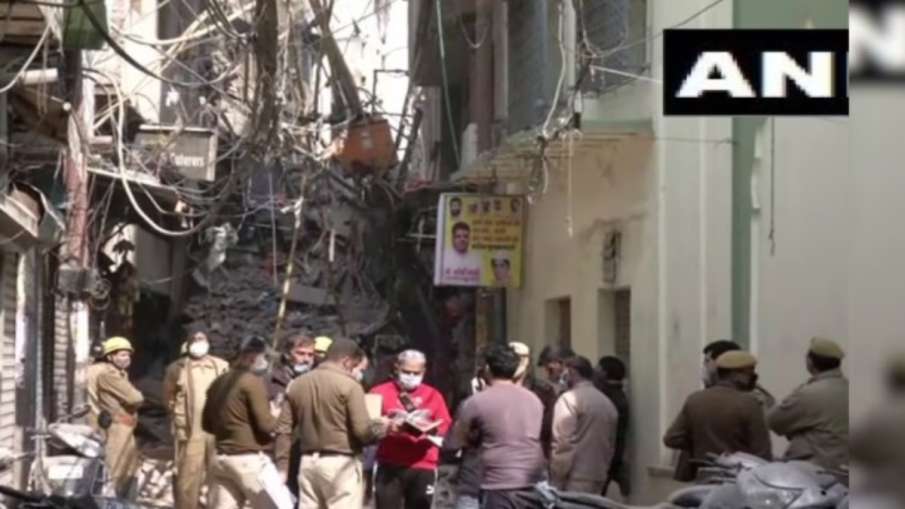
Turkman Gate
Settlements were demolished in 1976
In the year 1976, there was Indira Gandhi’s government in India. One day his son Sanjay Gandhi told the DDA officer that he wanted Jama Masjid to be clearly visible from Turkman Gate. For this it was necessary to demolish the settlements near Turkman Gate. At that time, to follow the orders of Sanjay Gandhi, DDA officer Jagmohan Malhotra started bulldozers in Turkman Gate area. Many people also died in this drive and Turkman Gate of Delhi was converted into a cantonment and hundreds of families settled around Turkman Gate had to shift to places like Mangolpuri and Trilokpuri.
Survey illegal construction around Jama Masjid
After removing the encroachment on Turkman Gate, Delhi High Court has now given strict instructions to the Municipal Corporation to conduct a comprehensive survey of the entire area around the historic Jama Masjid within the next two months and if any illegal construction or encroachment on public land is found in the survey, then it should be removed immediately as per the law. This order has been given on the basis of a petition filed by Farhat Hasan, a local resident of Old Delhi.
In this petition, it was alleged that illegal parking and commercial activities are going on outside gate numbers three, five and seven of Jama Masjid, which is not only causing trouble to the general public but is also causing serious damage to the cultural heritage of this historical heritage. So know what is called Jama Masjid and which mosques are given this name…

Jama Masjid
What is the meaning of Jama Masjid?
The word ‘Masjid’ is an Arabic word, which means ‘place of worship’ and ‘Jamaa’ means gathering or group. In this way, ‘Jama Masjid’ means that the mosque where a large number of people come together to offer namaz collectively is called Jama Masjid. The name Jama Masjid is especially given to those mosques where Friday prayers are offered, because on this day the Muslim community gathers together in large numbers to worship Allah together.
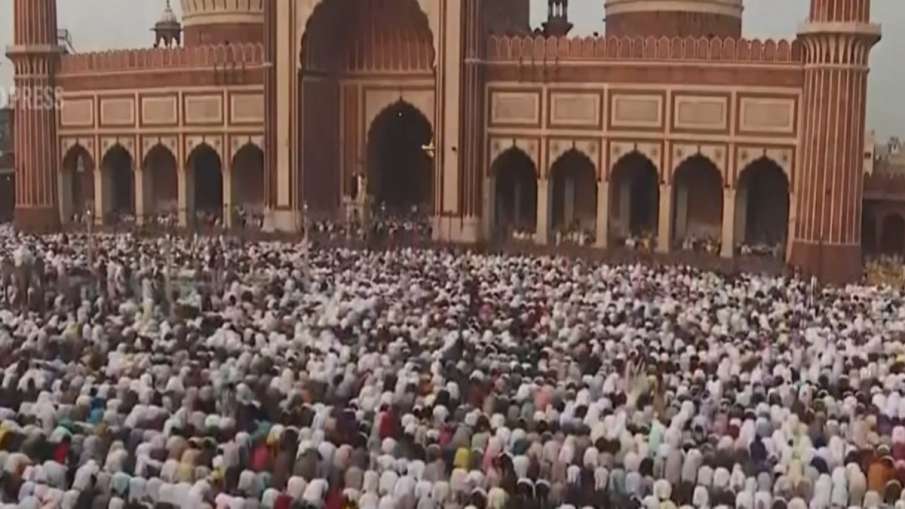
Jama Masjid
Where is Jama Masjid in India?
When Muslim rulers built major mosques in big cities, they often called them ‘Jama Masjids’, because these were the main places of worship in the city, where prayers were offered simultaneously. This is why there are Jama Masjids in Delhi, Agra, Lucknow, Sambhal and many other cities.
History of Jama Masjid of Delhi
Mughal emperor Shahjahan built Jama Masjid in Delhi in 1656. This mosque of Delhi is considered to be one of the largest and historical mosques of India. This mosque is made of red stones and marble. It is situated just 500 meters away from the Red Fort, which is said to be the largest mosque of India. It took six years to build it and it cost Rs 10 lakh to build it. Built of sandstone and white marble, this mosque can be entered from the north and south gates.
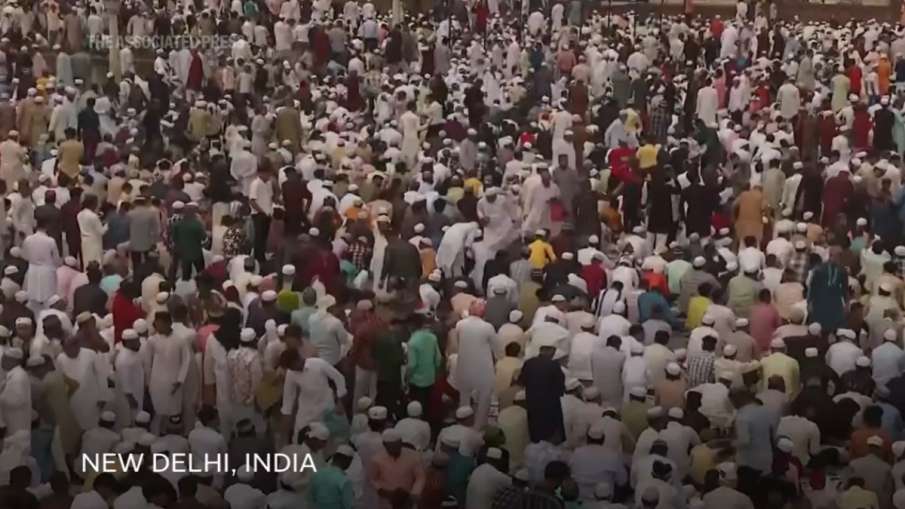
Jama Masjid
The eastern gate opens only on Fridays. It is said that Sultan used this gate. Its prayer hall is very beautiful. It has eleven arches in which the middle arch is slightly bigger than the others. The domes above it are decorated with white and black marble which are reminiscent of Nizamuddin Dargah.
Latest India News
 Follow Us On Google News
 Follow Us On WhatsApp

Leave a Comment